

Nutrition for Cancer Patients: A Gentle Guide to Nourishing Your Body
- Allyson Pearson
- Feb 17
- 4 min read

When you’re facing cancer, taking care of your nutrition can feel overwhelming. You might be dealing with changes in appetite, taste, or energy levels. I want you to know that it’s okay to take things one step at a time. Nourishing your body is a powerful way to support your healing and well-being. Let’s explore how you can make nutrition work for you during this journey.
Understanding the Importance of Nutrition During Cancer Treatment
Nutrition plays a vital role in helping your body cope with cancer and its treatments. Eating well can:
Support your immune system
Maintain your strength and energy
Help your body heal and recover
Manage side effects like nausea or mouth sores
It’s not about following strict diets or eating perfectly. Instead, it’s about finding foods that feel good and provide the nutrients your body needs. For example, if you’re experiencing a loss of appetite, small, frequent meals might be easier to handle than three large ones.
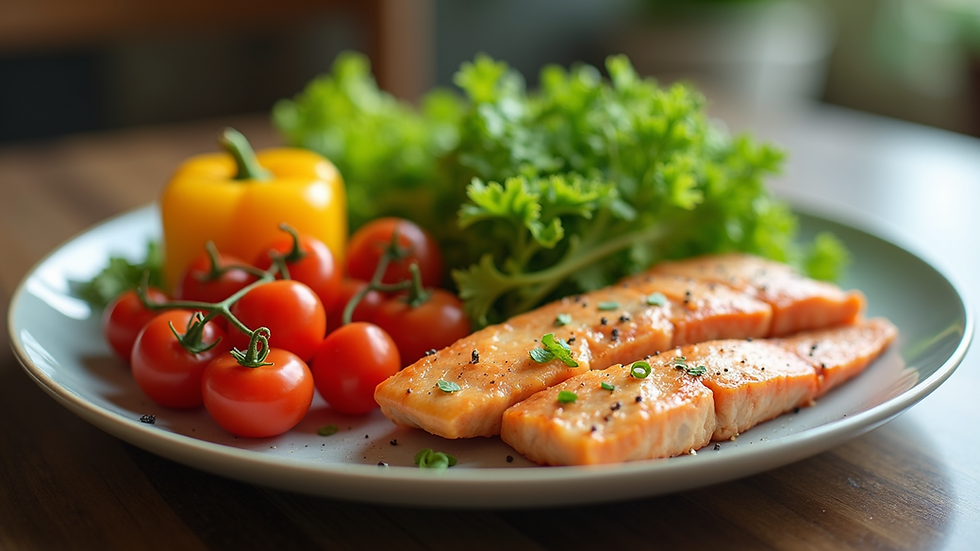
Remember, your body is working hard, and every bite counts. Focus on nutrient-rich foods like fruits, vegetables, whole grains, lean proteins, and healthy fats. These foods provide vitamins, minerals, and antioxidants that support your overall health.
Practical Tips to Manage Common Nutrition Challenges
Cancer treatments can bring a variety of side effects that affect eating. Here are some common challenges and ways to manage them:
Loss of Appetite
Try eating smaller portions more often throughout the day.
Choose nutrient-dense snacks like nuts, cheese, or yogurt.
Add healthy oils or nut butters to meals for extra calories.
Keep favorite foods handy and eat when you feel hungry, even if it’s just a little.
Nausea and Vomiting
Eat bland, easy-to-digest foods like crackers, toast, or rice.
Avoid strong smells that might trigger nausea.
Sip on clear fluids like ginger tea or water with lemon.
Talk to your healthcare team about medications that can help.
Mouth Sores or Dry Mouth
Opt for soft, moist foods like soups, smoothies, or mashed potatoes.
Avoid spicy, acidic, or rough-textured foods.
Use a straw to drink liquids if swallowing is uncomfortable.
Keep your mouth moist with frequent sips of water or saliva substitutes.
Changes in Taste or Smell
Experiment with herbs and spices to enhance flavor.
Try cold or room-temperature foods if hot foods smell too strong.
Use plastic utensils if metal tastes unpleasant.
Focus on foods you enjoy, even if they are different from before.
How to Build a Nourishing Meal Plan That Works for You
Creating a meal plan during cancer treatment doesn’t have to be complicated. Here’s a simple approach to help you get started:
Include a variety of food groups: Aim for fruits, vegetables, whole grains, protein, and healthy fats.
Focus on protein: Protein helps repair tissues and maintain muscle. Good sources include eggs, poultry, fish, beans, tofu, and dairy.
Stay hydrated: Drink plenty of fluids like water, herbal teas, or broth to prevent dehydration.
Listen to your body: Eat when you’re hungry and stop when you’re full. It’s okay to adjust portions and food choices based on how you feel.
Plan for convenience: Prepare meals in advance or choose easy-to-make options when energy is low.
If you find it hard to eat enough, consider nutritional supplements or shakes. These can provide extra calories and nutrients in a small volume. Always check with your healthcare provider before adding supplements.

Supporting Your Emotional Well-Being Through Food
Food is not just fuel; it’s also comfort and connection. During cancer treatment, it’s natural to feel a range of emotions around eating. You might miss your favorite meals or feel frustrated by new food restrictions. That’s okay. Be kind to yourself.
Try to:
Share meals with loved ones when possible, even if it’s a simple snack.
Allow yourself to enjoy treats in moderation.
Explore new recipes that excite you.
Practice mindfulness while eating, savoring each bite.
Remember, nutrition is one part of your healing journey. It’s okay to ask for help from dietitians, nurses, or support groups. You don’t have to do this alone.
Finding Reliable Resources and Support
Navigating nutrition during cancer can be confusing. It’s important to rely on trustworthy sources for guidance. Northbound Roots aims to become the trusted, go-to resource for cancer patients and their caregivers, providing clear, compassionate, nurse-led guidance to help you confidently navigate every stage of your health journey.
If you want to learn more about managing nutrition and other aspects of cancer care, consider visiting Northbound Roots. They offer practical advice tailored to your needs.
You might also find it helpful to connect with a registered dietitian who specializes in oncology nutrition. They can create a personalized plan that fits your preferences and treatment plan.
Embracing Small Steps Toward Better Nutrition
Every small step you take toward nourishing your body matters. Whether it’s adding an extra glass of water, trying a new vegetable, or simply eating a few bites when you don’t feel like it, you are supporting your health.
Be patient with yourself. Some days will be easier than others. Celebrate your progress, no matter how small. Your body is resilient, and with gentle care, you can help it stay strong.
If you ever feel overwhelmed, remember that you are not alone. Reach out to your healthcare team, loved ones, or support networks. Together, you can find ways to make nutrition a source of strength and comfort.
Taking care of your nutrition during cancer treatment is a journey filled with challenges and opportunities. By focusing on nourishing foods, managing side effects, and seeking support, you can empower yourself to feel better and heal. Keep listening to your body, and know that every effort you make is a step toward wellness.


Comments